
Post Title
Select a post node to view its content
Explore 25 articles related to gentoo
Explore how gentoo relates to other content and tags
Select a post node to view its content
Current Values:
centerForce: 0.05, repelForce: 3500, linkForce: 0.3, linkDistance: 200, damping: 0.85 
A 12.5-hour overnight session tearing apart the build swarm codebase, finding 25 bugs across 4 components, and deploying fixes to every node before sunrise.
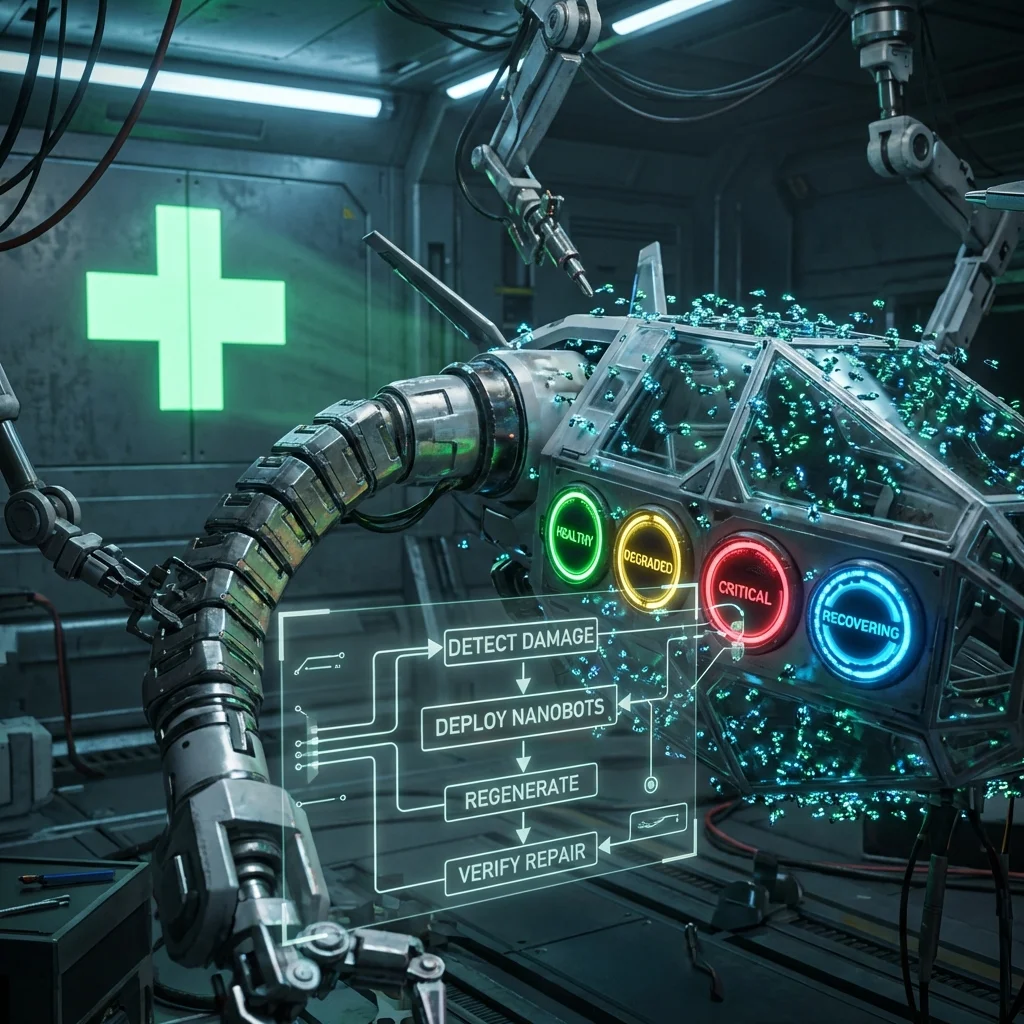
Build drones kept disappearing mid-compile. Silent failures, stale queues, wasted hours. So I taught them to detect their own problems, return unfinished work, and get back in formation.

From mystery drones to NAT complications, here's how we hardened the Gentoo Build Swarm against network chaos and edge cases.

A home lab commander's journey building a distributed compilation system that turned impossible updates into overnight batch jobs. The architecture, the failures, and why I'd never do this in production (except I did).

A week of making the Gentoo build swarm actually reliable. Runaway drones, dead cron jobs, self-healing systems, and the satisfaction of watching it all come together.

Expanding Gentoo beyond the official tree. How to use GURU (the community overlay), manage multiple repositories, and create your own local overlay.
The complete guide to setting up a Gentoo binary package server. Compile once on your binhost, install instantly everywhere else.
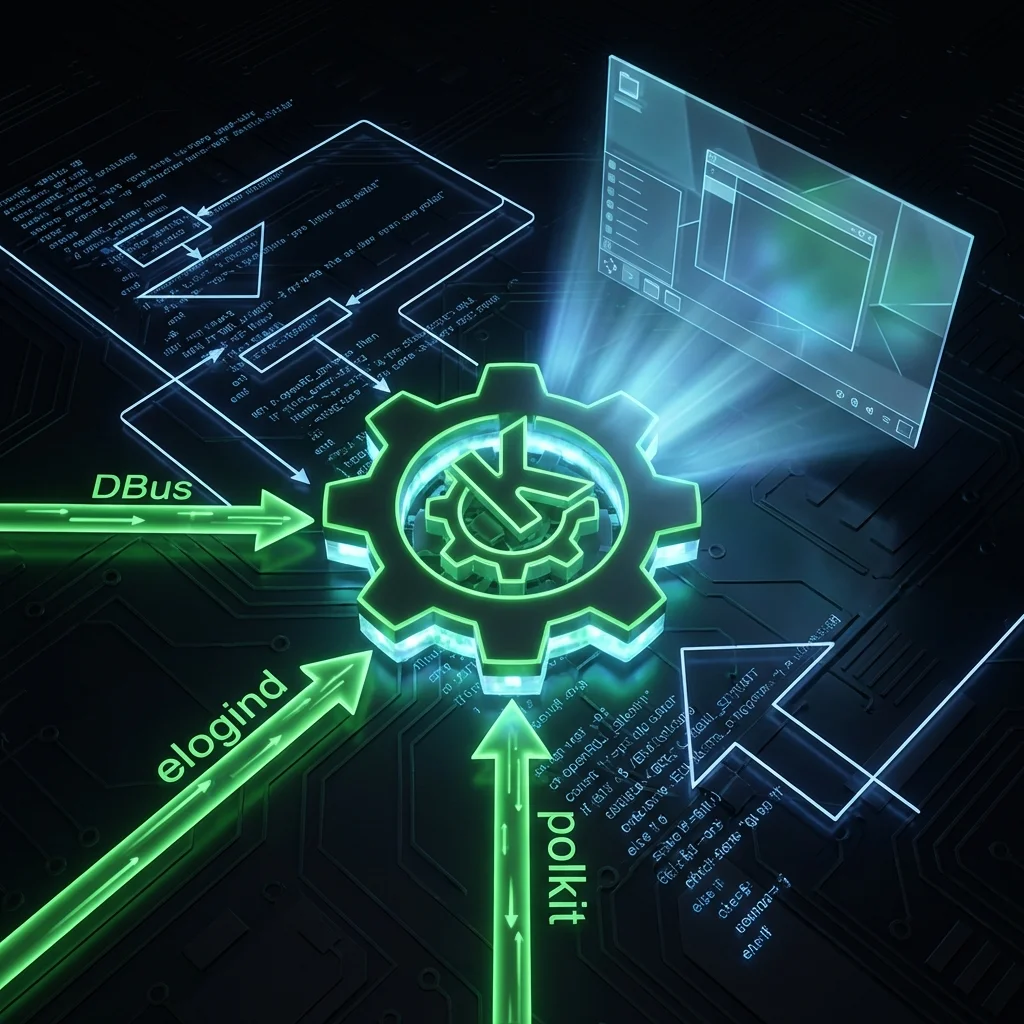
Running KDE Plasma 6 without systemd. The critical services, the dependency order, and the infamous UDisks2 crash loop.
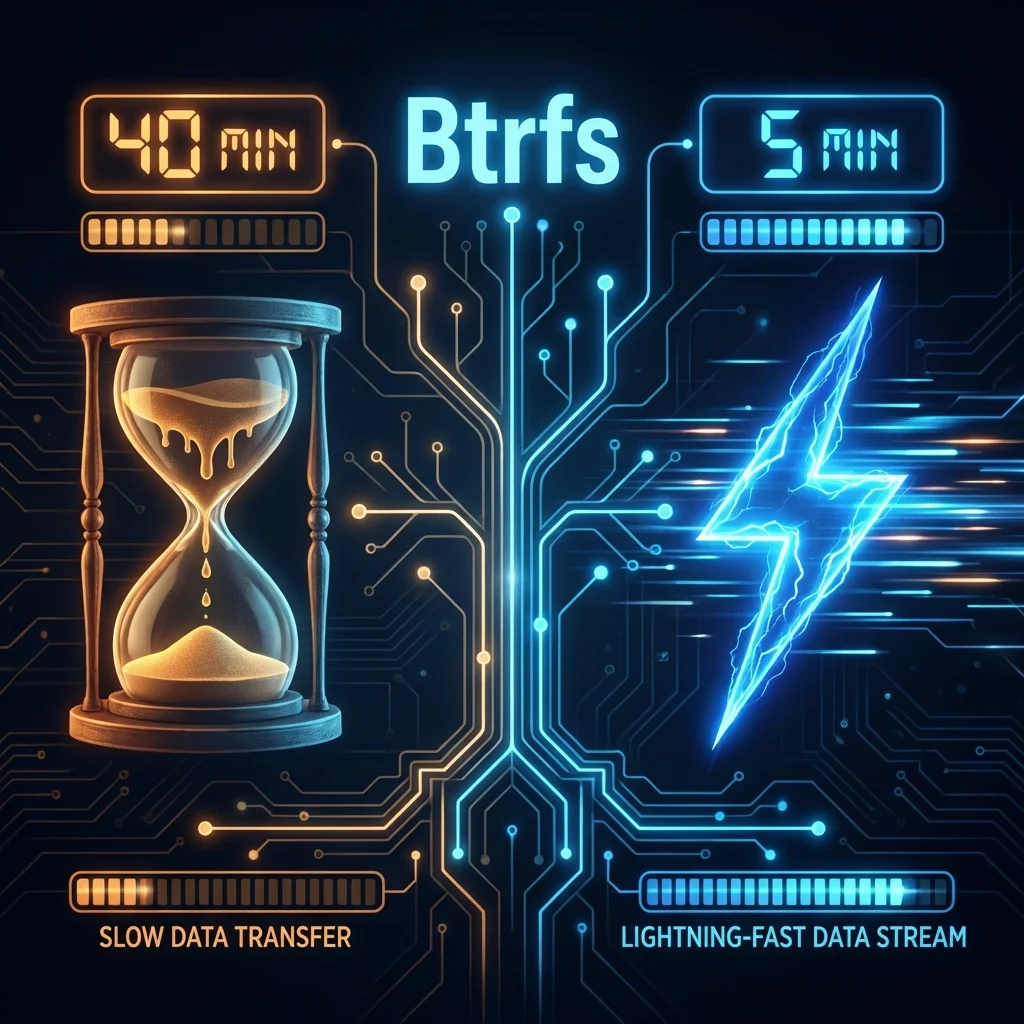
Traditional Gentoo VM deployment takes 6-10 hours. Mine takes 5 minutes. Btrfs snapshots, binary packages, and one painful lesson about BIOS boot.
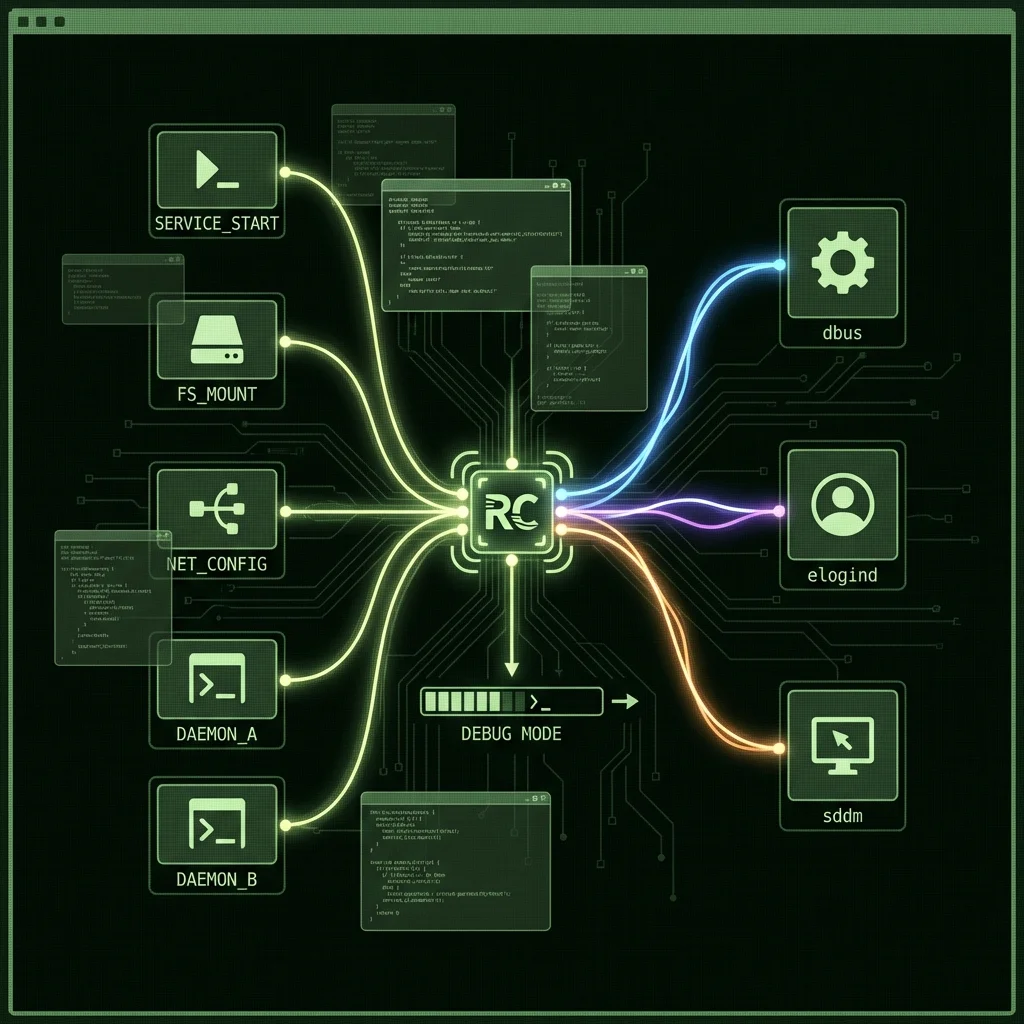
Why I use OpenRC instead of systemd, how to write custom init scripts, and the SDDM login loop that took me 6 hours to fix. A practical guide to Gentoo service management.
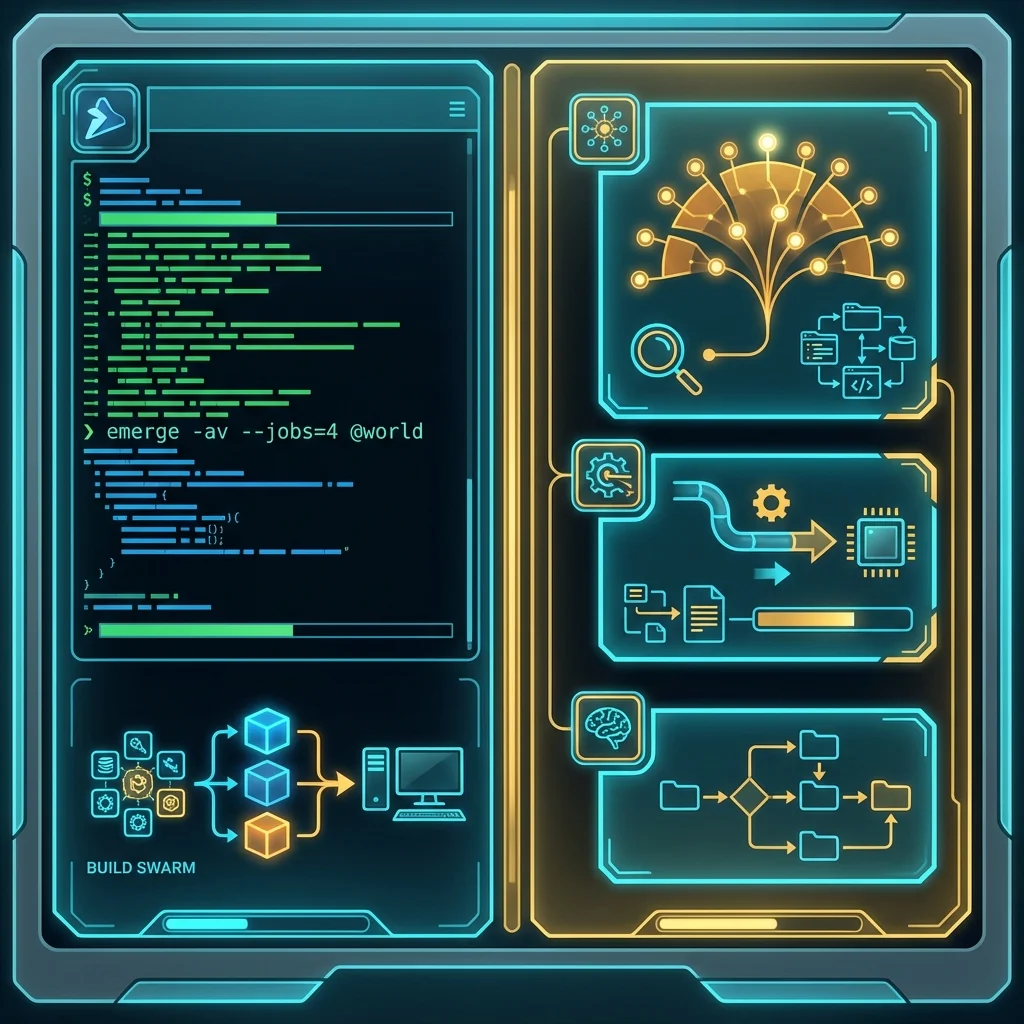
apkg started as a workaround for Gentoo's complexity. It became a philosophy: do the hard work, but explain every step so you could do it yourself. Here's the story and the tool.

Three iterations of failure before I got encrypted cloud backups working. Rclone, Google Drive, OpenRC services, and the backup script that finally stuck.

Running Nix alongside Portage on Gentoo—the best of both worlds. Hardware-optimized core system, reproducible user tools, and the nixGL hack that makes it work.

I broke my Gentoo system by reinstalling 815 packages. Sound died. Google Drive vanished. Here's how Btrfs snapshots saved me from a multi-hour debugging session.

Why I decided to mix Gentoo and Nix. Creating a system that is perfectly optimized at the core and perfectly reproducible at the edge. And yes, I know this is over-engineered.

Setting up Hyprland on Gentoo with OpenRC taught me that sometimes the hardest bugs are the dumbest. A gaming keyboard lock nearly cost me hours of debugging.
KDE Plasma crashed hard enough to require a reboot. The culprit: services that systemd would have auto-started but OpenRC very deliberately did not. Also, /run/ is empty after every reboot and nobody warned me.
Local snapshots are great until your house burns down. How I built encrypted cloud backups with Rclone, accidentally wrote a 2,146-line package manager, and learned that udisks2 is not optional.
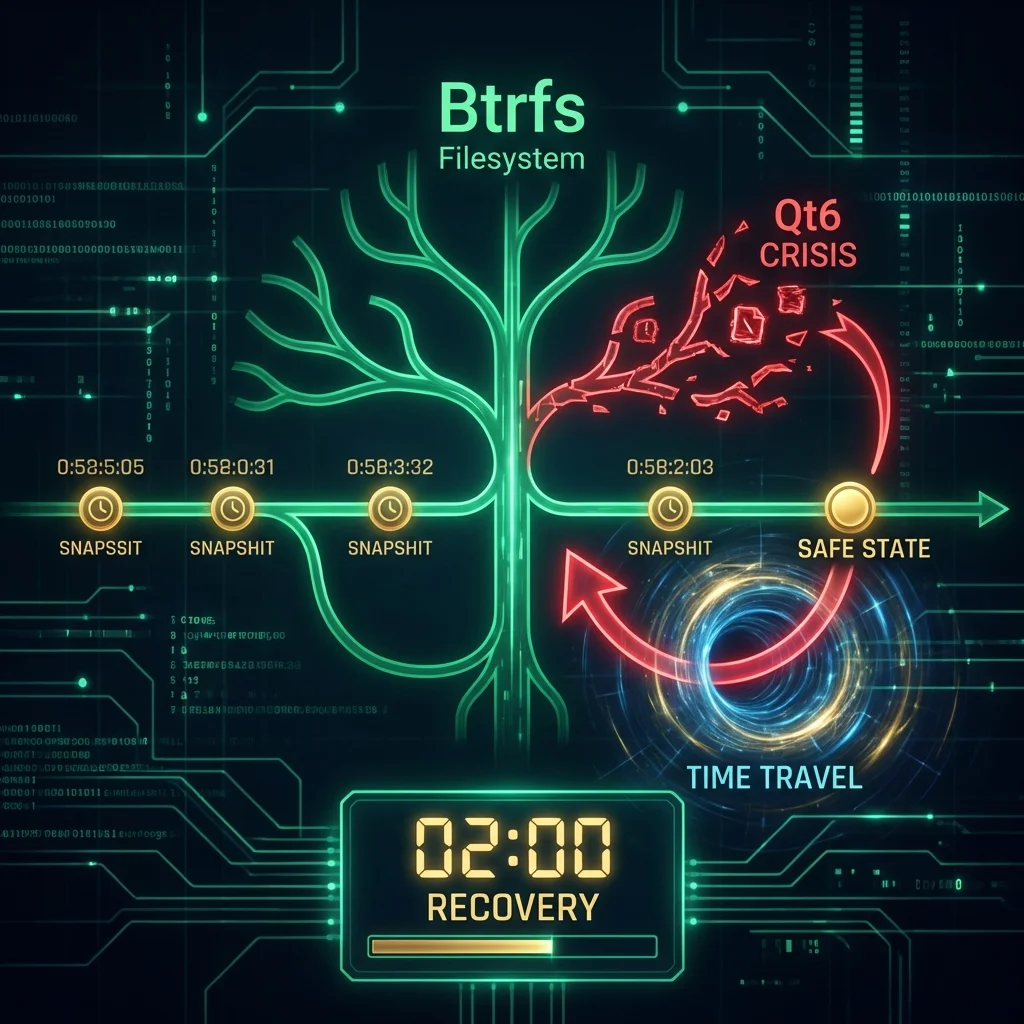
Everything was perfect. Then I ran a system update. How a simple elogind mismatch broke KDE Plasma, and how Btrfs saved me from a 6-hour debugging session.

How to create, maintain, and deploy a master VM image that serves as the 'seed' for new physical installs. Why less is more when building a baseline system.

The complete story of building a custom Gentoo-based distribution with automatic rollback, distributed compilation, and hybrid package management. Part disaster log, part technical guide, part therapy session.
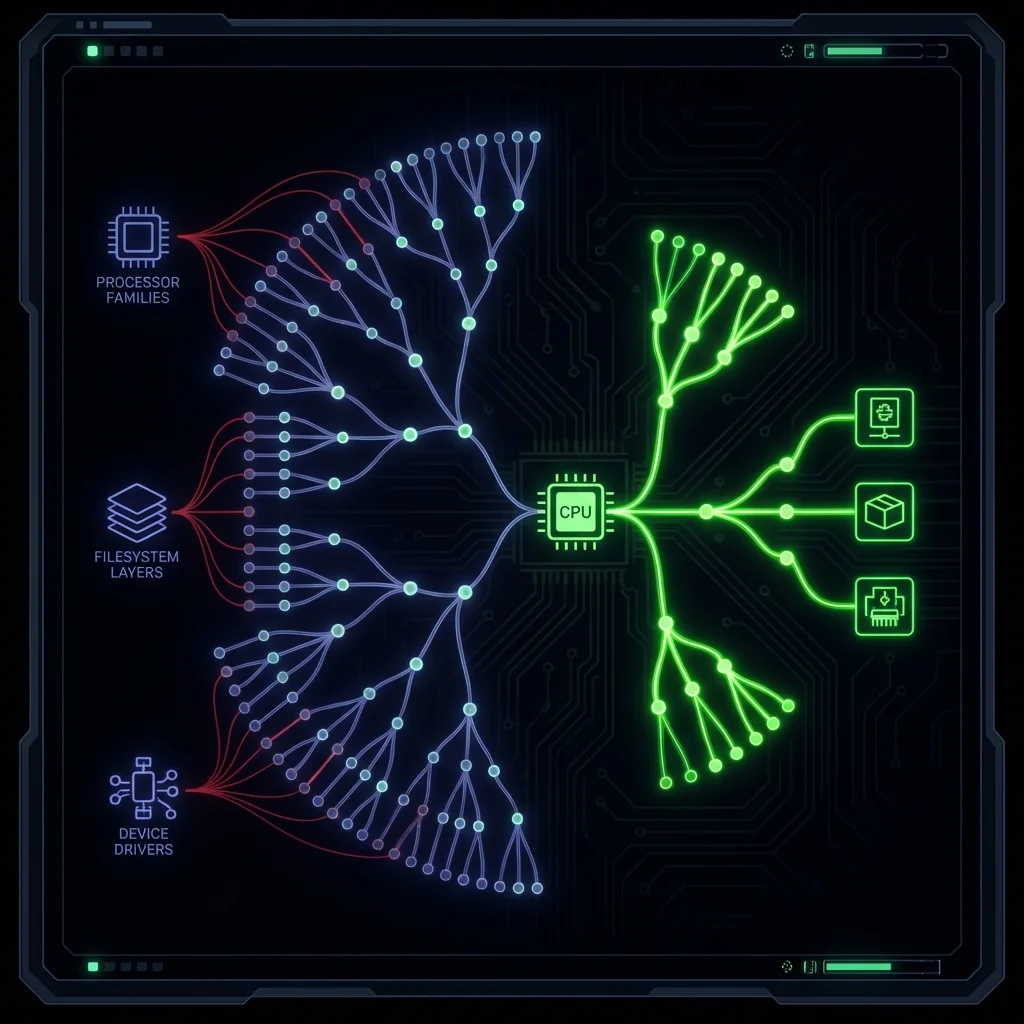
Strip your Linux kernel down to exactly what your hardware needs. From menuconfig basics to initramfs generation with dracut.
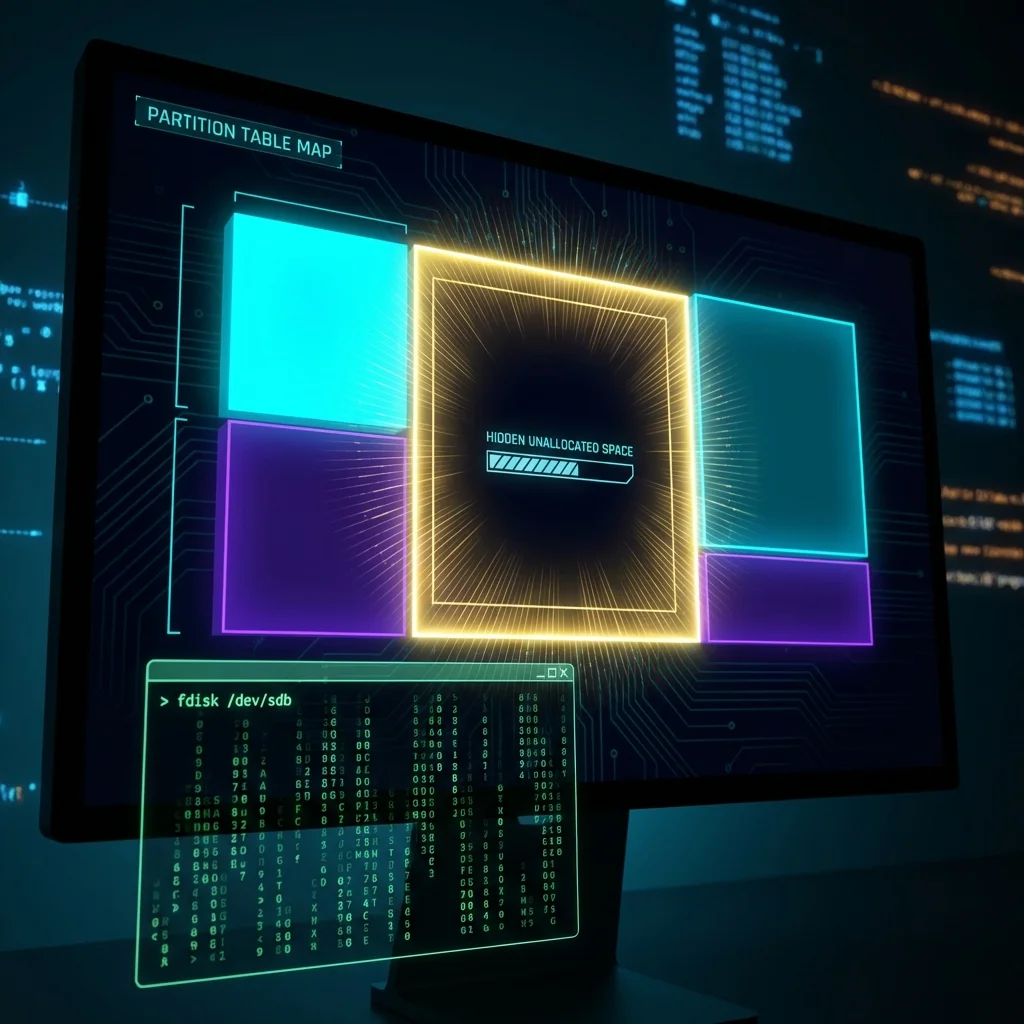
I spent 4 hours trying to migrate a VM between hypervisors. Kernel panics, graphics corruption, UEFI nightmares. Then I ran fdisk and found 812GB of unallocated space on my main drive.

A deep dive into fixing critical boot issues, implementing openSUSE-style Btrfs snapshots, and setting up binary package infrastructure for my custom Gentoo distro.
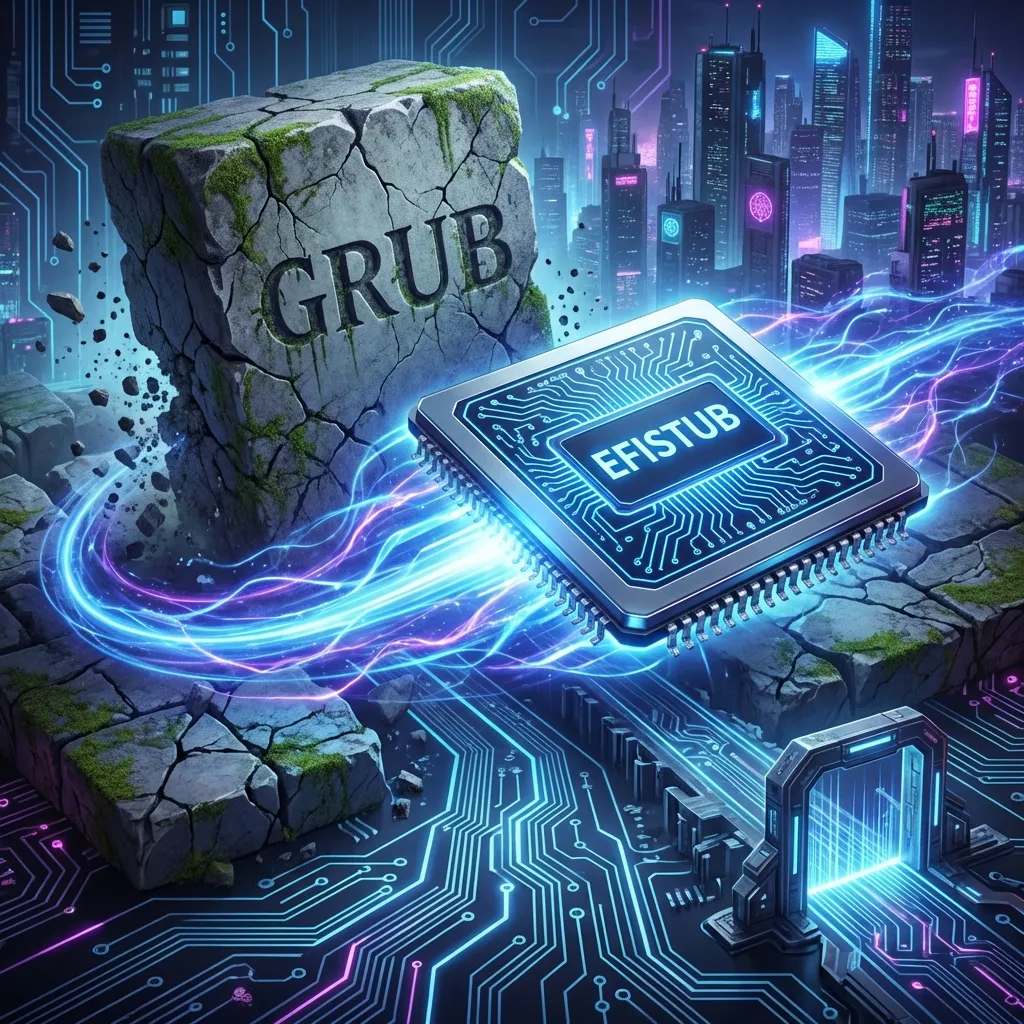
Why I removed the bootloader entirely from Argo OS and how to boot the Linux kernel directly from UEFI. Plus the hardware quirk that forced my hand on one machine.